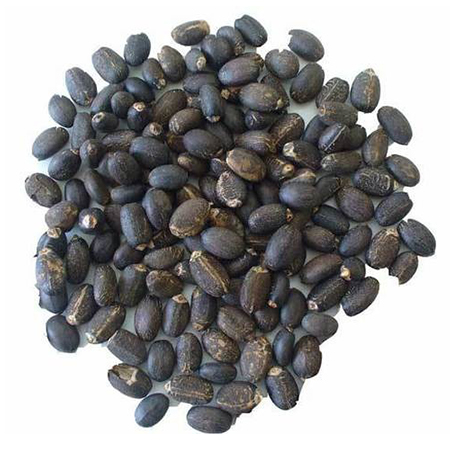
Jatropha Seeds
Jatropha seeds contains maximum 25-30% oil. These oblong shaped, black color matured seeds are 2 ½ cm long. Jatropha oil can be extracted by pressing these seeds, which can be used making biofuel. The byproduct, that is, cake can be used for the production of energy. Inedible products, such as fertilizers and biodiesel are main products produced from these seeds. These seeds are roasted to remove the toxicity present. Right cultivation methods and suitable weather and soil conditions are essential, if looking to produce 60% oil from the seeds.
Features:
- Resembles the castor seeds
- Properly cleaned and processed
- Free from impurities and adulteration
- Fresh and moisture free
Specification:
| Jetropha Seed (machine cleaned) |
| Color | Blackish |
| Purity | 99% |
| Foreign Matter | 1% Max |
| Oil Content | 25 TO 30 % (Max) |
| Origin | Indian |
| Packing | In strong pp bags 30/50 kg packing net/gross |
| 1fcl/20ft | 16mt/1fcl |
| I.T.C. H.S. Code |
|
| Used | For medicinal purpose & oil purpose & Fertilizers |
Exceptional Quality and PurityOur Jatropha Seeds are meticulously selected to ensure 99% purity and less than 2% imperfections. The seeds are organically cultivated and naturally sun-dried for enhanced vitality, making them ideal for sustainable plantations and biofuel enterprises. Their brownish-black color and high grade reflect premium quality standards.
Optimized for Biofuel and Plantation UseThese seeds are rich in oil content (3038%) and specifically bred for biofuel production and commercial plantation. Tolerant to drought and suited for Indian climate, Jatropha seeds are preferred by exporters, manufacturers, and agricultural traders seeking robust, renewable feedstock.
Safe Handling and Storage TipsTo maintain the seeds longevity and viability, store them in a cool, dry place away from moisture and direct sunlight. As they are toxic, it is imperative to avoid human or animal ingestion and handle the seeds responsibly, especially during planting, packaging, and transport.
FAQs of Jatropha Seeds:
Q: How should I plant and care for Jatropha seeds for best germination rates?
A: For optimal germination, sow Jatropha seeds in well-drained soil and keep them lightly moistavoid overwatering. Place them in a warm, sunny environment and ensure temperatures are suitable for sprouting. Properly spaced planting will promote strong growth and reduce the risk of fungal issues.
Q: What are the primary uses and benefits of Jatropha seeds?
A: Jatropha seeds are primarily used for biofuel production due to their high oil content (30-38%). Additionally, they are ideal for plantation purposes in drought-prone areas and contribute to sustainable energy initiatives. Their ability to thrive in poor soils provides ecological benefits such as preventing soil erosion.
Q: When is the ideal time for harvesting Jatropha seeds and what is the expected yield?
A: Jatropha seeds are harvested annually once the plant reaches full maturity, usually during the dry season. Mature seeds deliver high oil yield for biofuel and can be collected by manual or mechanical means, depending on plantation scale.
Q: Where should Jatropha seeds be stored to maintain their viability and shelf life?
A: Store Jatropha seeds in a cool, dry place, away from direct sunlight and moisture. Proper storage ensures a shelf life of up to 2 years and helps retain their high germination rate and oil content.
Q: What safety precautions must be observed when handling Jatropha seeds?
A: Jatropha seeds are toxic and not fit for human or animal consumption. Wear gloves during handling, avoid inhaling seed dust, and keep seeds away from children and food storage areas. Always wash hands thoroughly after contact.
Q: How is the oil extracted from Jatropha seeds and what makes it suitable for biodiesel?
A: Oil is extracted through mechanical pressing or solvent extraction from mature, dried Jatropha seeds. The extracted oil is suitable for biodiesel as it meets quality standards for fuel production, owing to its high oil content and favorable composition.